How to Do Puja at Home: Daily Guide | Do Puja
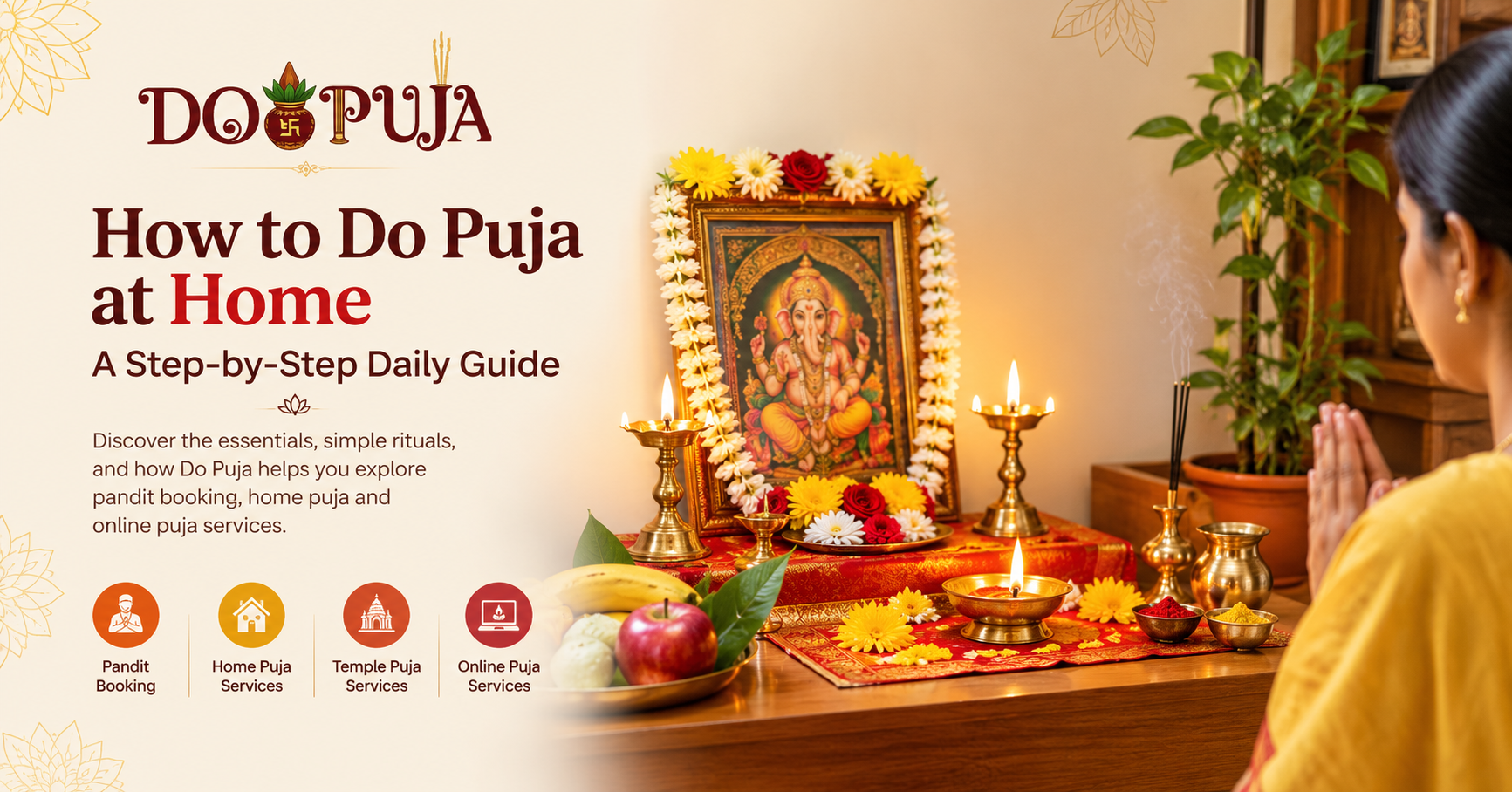
Table of contents
How to Do Puja at Home: A Step-by-Step Daily Guide with Do Puja
Performing puja at home is a meaningful way for many Hindu families to begin their day with prayer, devotion, and gratitude. From lighting a diya to offering flowers and chanting mantras, daily puja can be a simple yet special part of your routine.
📖 Complete guide: For the full step-by-step method — puja items checklist, the simple 5-step puja, all 16 upacharas, easy mantras and aarti — read our How to Do Puja at Home: Simple Step-by-Step Guide.
But how do you perform puja at home if you are a beginner? What items do you need, and when should you consult a pandit for specific rituals?
This step-by-step guide explains how to prepare for daily puja, perform common worship rituals, and explore convenient puja booking options through the Do Puja app and website.
What Is Daily Puja?
Daily puja is a form of Hindu worship performed to express devotion and maintain a connection with one's spiritual traditions. The method varies according to the deity, family customs, regional practices, and personal beliefs.
Some families perform a short prayer every morning, while others follow more detailed rituals on particular days or occasions.
There is no single procedure followed by every Hindu household. You can begin with a simple routine and follow your family's traditions.
Things You Need for Puja at Home
Before beginning your daily puja, gather the items appropriate for your tradition.
Commonly used puja items include:
A clean puja space or home altar
An image or idol of the deity
A diya and suitable oil or ghee
Flowers
Incense, if used in your tradition
Water in a clean vessel
Fruits or other customary offerings
A bell, kumkum, turmeric, or other ritual items as required
You do not need every item for every puja. Requirements vary depending on the ritual you plan to perform.
How to Do Puja at Home: Step-by-Step Guide
Step 1: Clean Your Puja Space
Begin by keeping your puja area clean and organised. Arrange the deity's image or idol and place the required items within reach.
A clean space can help you focus on prayer without distractions.
Step 2: Prepare Yourself for Worship
Wash your hands and feet or bathe according to your family's customs. Wear clean clothing and take a moment to settle your mind before beginning.
Step 3: Light a Diya
Light a diya if it is part of your worship tradition. A lamp is commonly associated with light, knowledge, and devotion in Hindu rituals.
Keep an open flame away from curtains, paper, children, and other flammable materials. Never leave it unattended.
Step 4: Begin with a Prayer
Offer a short prayer according to your beliefs and family tradition. Some devotees begin with a prayer to Lord Ganesha, while others follow a different customary sequence.
You may chant a familiar mantra or sit quietly for a moment of reflection.
Step 5: Offer Flowers and Water
Offer flowers, water, or other customary items to the deity. These offerings are traditional expressions of devotion and respect.
Follow the practices associated with your chosen deity and family tradition.
Step 6: Chant Mantras or Read Prayers
Recite familiar mantras, read a devotional text, or say a personal prayer. If you are new to daily worship, start with prayers you already know and learn additional mantras gradually.
For elaborate rituals requiring specific mantras and procedures, consider seeking guidance from a knowledgeable pandit.
Step 7: Perform Aarti
If aarti is part of your daily practice, offer it according to your tradition. Many families sing an aarti prayer and move a lit lamp before the deity.
Use appropriate fire safety precautions throughout the ritual.
Step 8: Conclude Your Puja
End with a prayer of gratitude. You may distribute prasad among family members if you have prepared an offering.
The duration and sequence of daily puja can vary. Follow your family customs and the requirements of any specific ritual.
When Should You Book a Pandit for Puja at Home?
Simple daily worship can often be performed according to your family's traditions. However, some ceremonies involve detailed procedures, specific mantras, or customary rites for which families prefer the guidance of an experienced pandit.
You may wish to explore pandit booking for occasions such as:
Griha Pravesh Puja for a new home
Satyanarayan Puja
Ganesh Puja
Lakshmi Puja
Navagraha Puja
Wedding ceremonies and other family rituals
Homams and festival-related pujas
The requirements depend on the ceremony, your traditions, and the service you choose.
How Do Puja Helps You Explore Puja Services
Finding a suitable pandit or arranging a religious ceremony can take time, especially when you need to coordinate the ritual, location, and schedule.
Do Puja (DoPuja) is an online platform that helps users explore available puja services through its website and mobile app.
With Do Puja, you can explore:
Home Puja and Pandit Booking: Check available services for traditional ceremonies performed at home.
Temple Puja: Explore eligible puja booking options at participating temples.
Digital Puja: Discover available services for arranging certain rituals remotely.
Daily Puja Services: Check whether daily or recurring worship services are available for your requirements.
Service availability, pricing, and booking options depend on the selected ritual and location. Review the details before confirming a booking.
Visit the official website: https://umasdopuja.com/
Daily Puja vs. Special Occasion Puja
Daily puja is generally part of a regular worship routine, while special occasion puja may involve additional preparations and ritual procedures.
For daily worship, you may follow a simple prayer routine according to your family's customs. For a specific ceremony, review the traditional requirements and seek a pandit's guidance when needed.
Do Puja can help you explore available booking options when you want assistance arranging a particular ritual.
Frequently Asked Questions
How long does daily puja take?
The duration depends on your family's customs and the type of worship. A simple prayer routine may take only a few minutes, while more elaborate rituals can take longer.
Can beginners perform puja at home?
Yes. Beginners can start by learning their family's basic worship practices, preparing a clean space, offering prayers, and following familiar rituals. Seek guidance when a ceremony requires specialised procedures.
What is the best time to perform daily puja?
Many families prefer morning worship, while others follow particular timings based on their traditions or the requirements of a specific ritual.
Can I book a pandit online through Do Puja?
You can explore pandit booking options through the Do Puja website and app. Availability depends on your location, selected ceremony, and booking schedule.
Does Do Puja offer digital puja services?
Eligible digital puja options may be available. Check the individual service details to understand how the ritual is conducted and what participation options are included.
Conclusion
Performing puja at home can be a meaningful way to maintain your family's spiritual traditions and make time for prayer in everyday life.
Start with a simple routine, learn the practices that matter to your household, and seek guidance when a ritual requires specialised knowledge.
When you need help arranging a ceremony, explore the available services through Do Puja.
Visit https://umasdopuja.com/ to discover pandit booking, home puja, temple puja, and eligible digital puja options.
Recommended articles
 DoPuja services
Why Perform Puja on Your Birthday? Discover the Significance of These Hindu Rituals!
A birthday is more than just cakes and celebrations! Hindu traditions give special importance to birthday pujas such as Janma Nakshatra Puja, Ayushya Homam, and Ganapati Puja. Discover why these rituals are performed, how to perform a simple birthday puja at home, and how to explore pandit booking services through DoPuja.
 DoPuja services
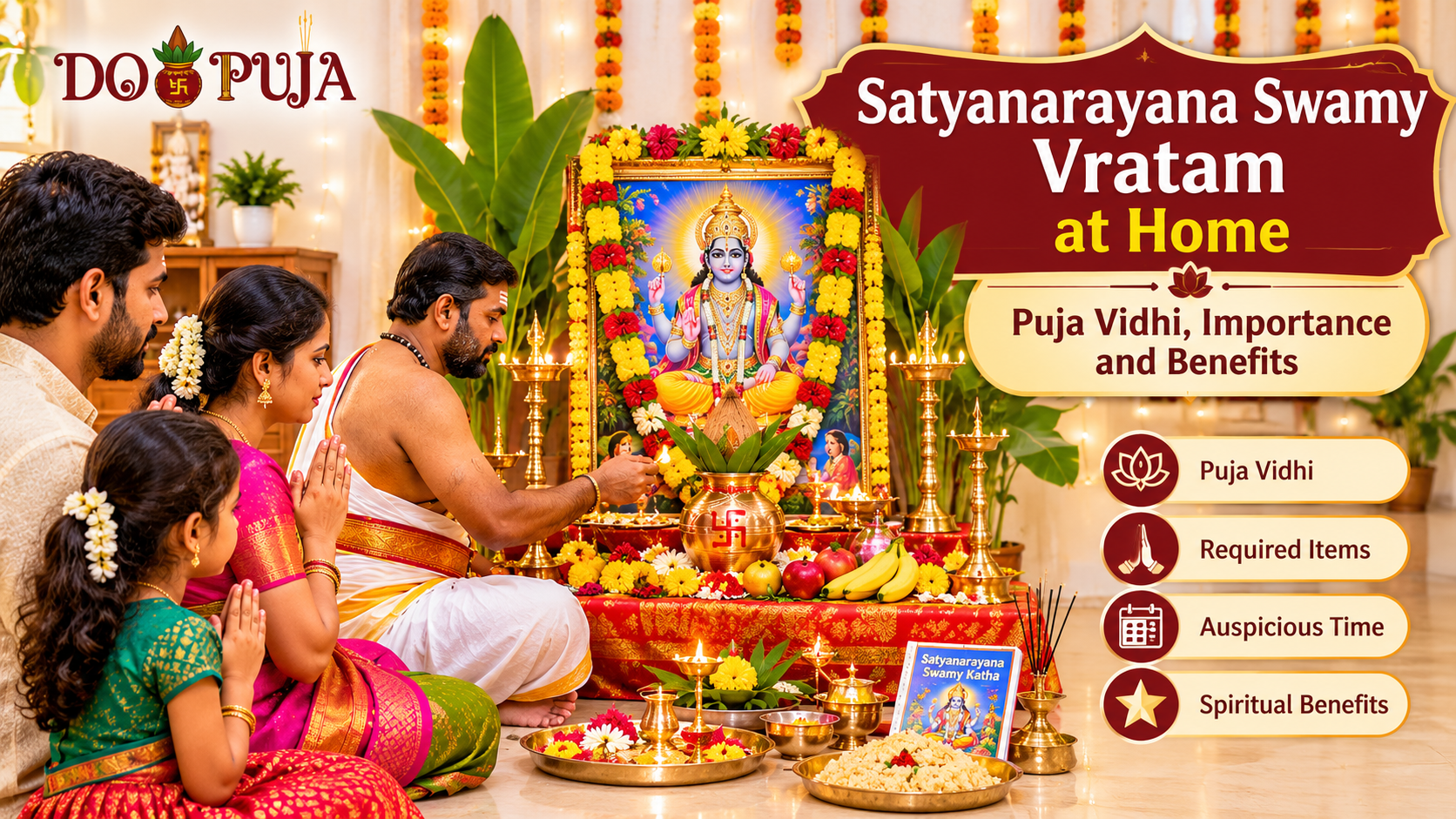
How to Perform Satyanarayana Swamy Vratam at Home? | DoPuja
Learn how to perform Satyanarayana Swamy Vratam at home with this simple guide. Explore the puja vidhi, required puja materials, Satyanarayana Vrat Katha, prasadam preparation, and spiritual significance. Discover how to book an experienced pandit for Satyanarayana Swamy Puja through Do Puja.
 DoPuja services
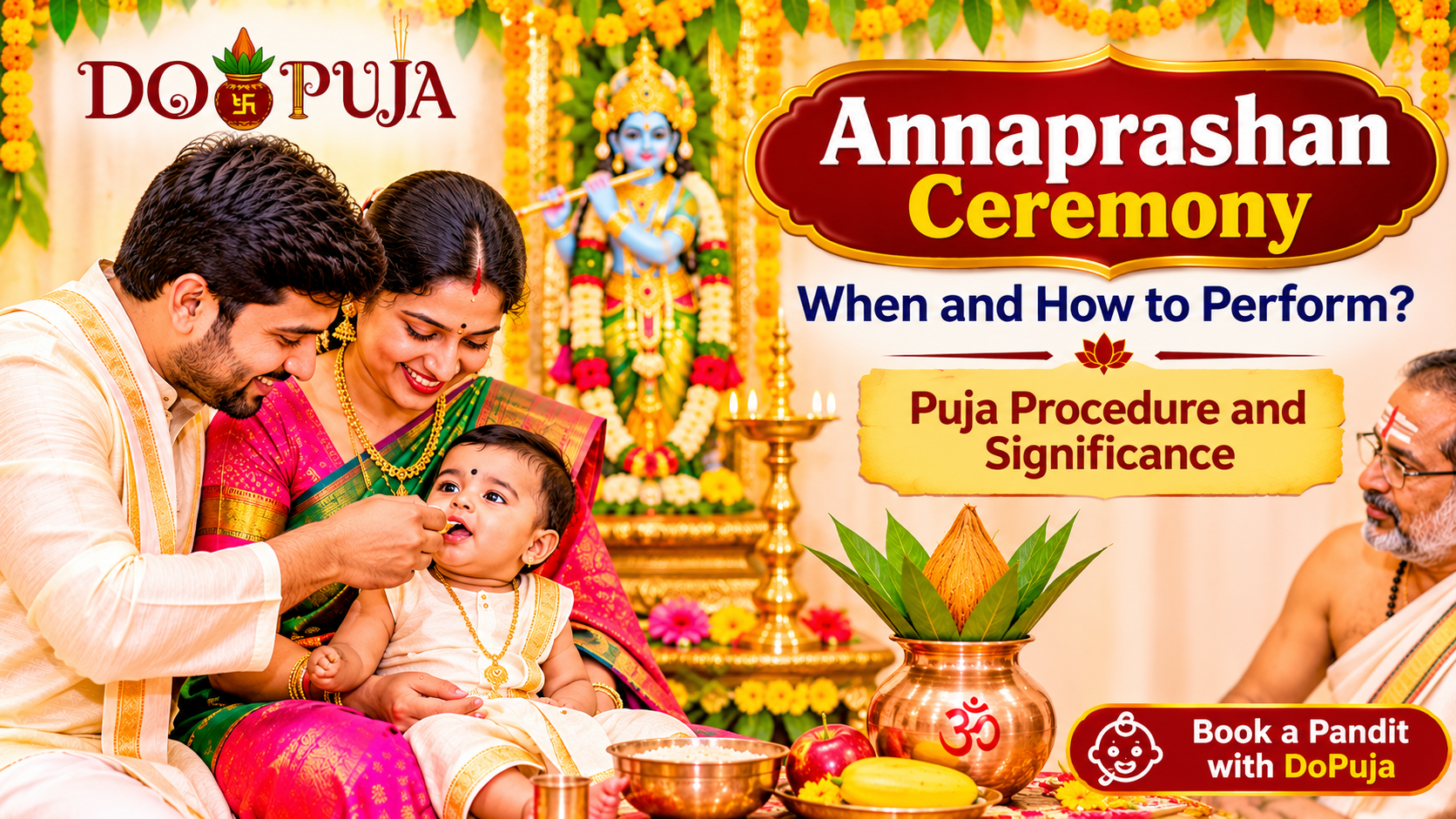
Annaprashan Ceremony: When and How to Perform It? Know the Rituals
When is the right time to celebrate your baby's Annaprashan ceremony? Discover the traditional rituals, auspicious muhurat, puja samagri, and step-by-step procedure of this special Hindu first rice feeding ceremony. Learn how to plan the occasion and explore pandit booking options through DoPuja.
Comments
Be the first to comment.